.jpg)

Patient Materials (Pancreatic Cancer)
Guys Image Click PPT Download section


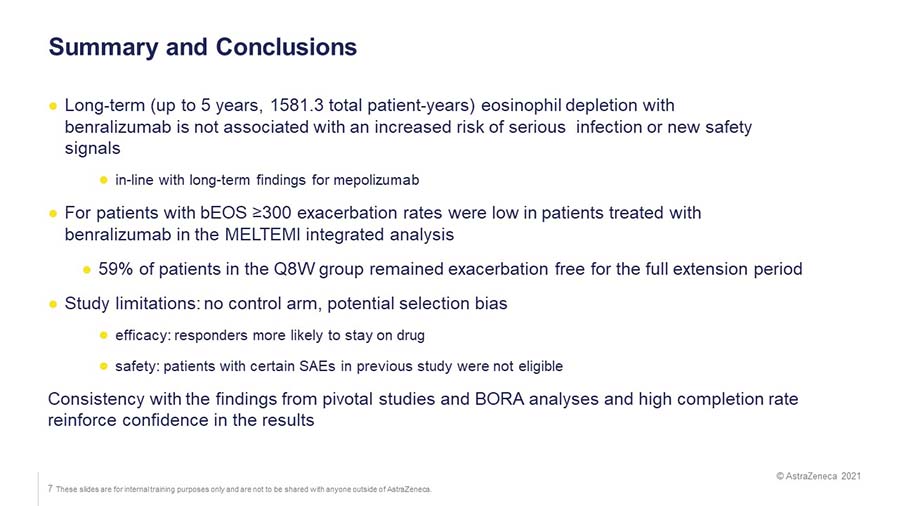
Asthma is a long term inflammatory disease in the airways of the lungs. 339 million individuals worldwide have asthma and more than 60% of patients have uncontrolled disease. The prevalence is expected to rise. Severe asthma accounts for about 10% of asthma patients but 50% of the physical and socio-economic burden of asthma worldwide. In Singapore alone, the annual economic burden of asthma is estimated to be SGD 2.09 billion, with majority of the cost coming patients whose asthma is uncontrolled or partially controlled.
0
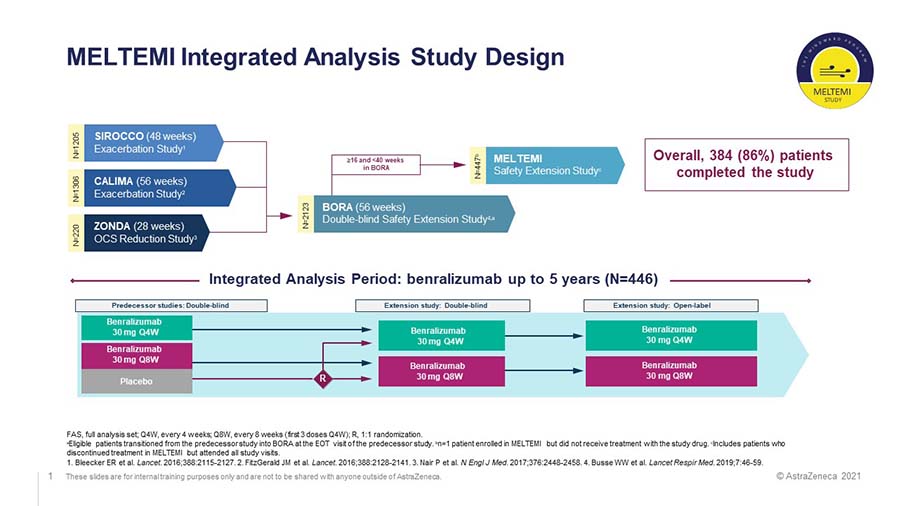
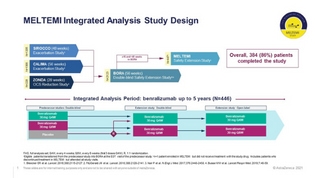
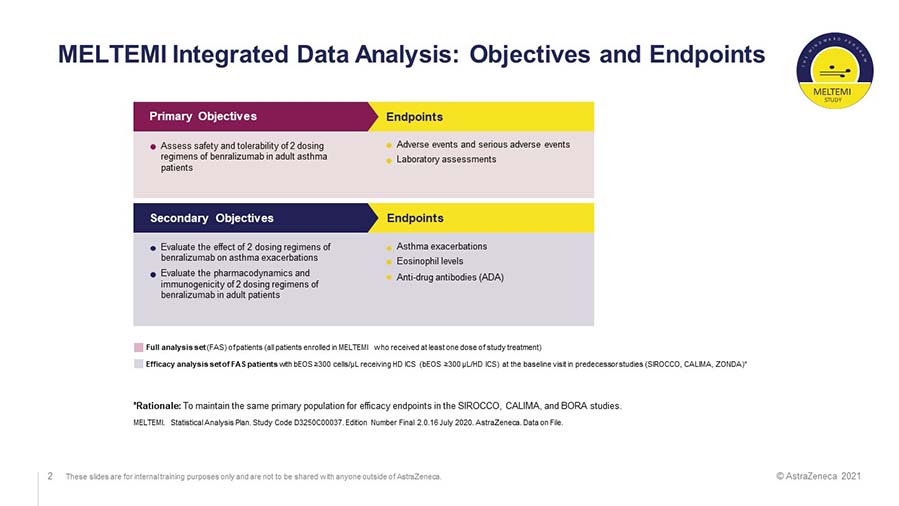
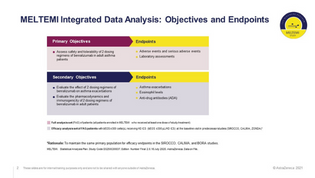
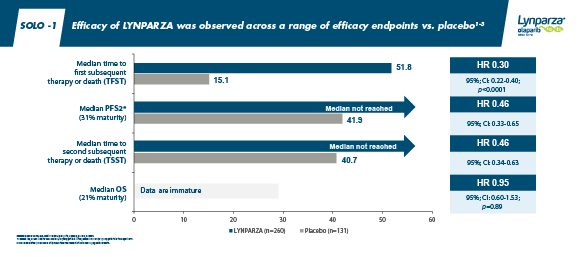
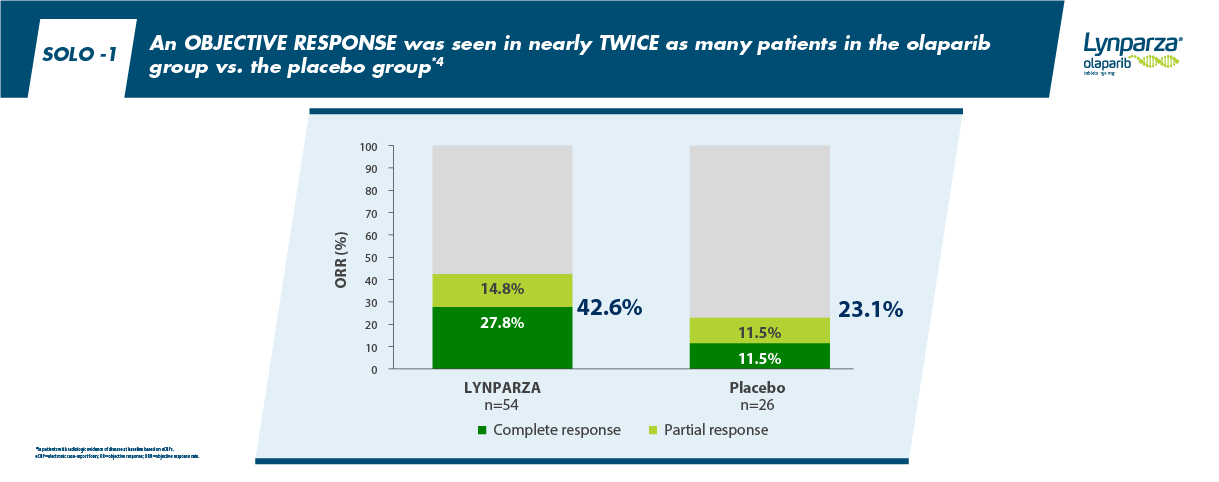
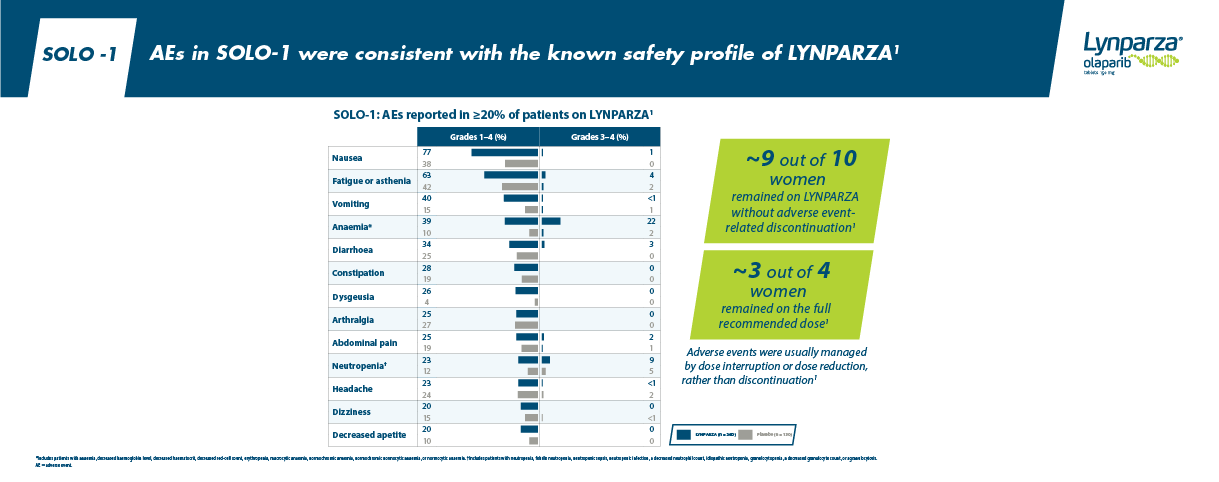
Key Clinical Studies
Key Clinical Studies
Guys while copying the mobile buttion also copy the class added for desktop button open the text and see there is desktopeventbutton addede in just below button.
Events
2 AUGUST 2020
DDR in Pancreatic Cancer Webinar
WATCH HERE...
Chronic Kidney Disease Products


Burden of Heart Failure in Singapore
Understanding your diagnosis
Coronary arteries supply the heart muscle with oxygen-rich blood. Over time, fat, cholesterol, and other substances can build up in the arteries, forming plaque.
Myocardial infarction, commonly known as heart attack, occurs when the heart does not receive enough blood. This prevents the oxygen and nutrients in your blood from reaching the part of your heart supplied by the artery. As a result, heart muscle in that area starts to die.1
If you would like to find out more about the programs that AstraZeneca has to support you and your patients, please contact us at,
Telephone: +65 68124700
Email: hcpsupportsg@astrazeneca.com
Symptoms of Heart Attack
Angina, also known as chest pain or discomfort, occurs during a heart attack episode. While angina alone is not life-threatening, it could indicate the risk of a heart episode1.
It may feel like pressure or squeezing in your chest. The pain can also occur in your shoulders, arms, neck, jaw, or back. At times, angina pain may even feel like indigestion or heartburn.
Symptoms of a heart attack:2
Chest pain/ discomfort
Discomfort in shoulders, arms, neck, jaw, back
Breathlessness
Unusually tired, light-headed, or nausea
If you notice these symptoms of a heart attack in yourself or someone else, please call 995 immediately to seek help.
- American Heart Association. Angina (Chest Pain). (https://www.heart.org/en/health-topics/heart-attack/angina-chest-pain) Accessed 21/10/2021.
- Centers for Disease Control and Prevention. Heart Attack Symptoms, Risk, and Recovery. (https://www.cdc.gov/heartdisease/heart_attack.htm )Accessed 21/10/2021.
Treatment Options
Here are some treatment options after experiencing a heart attack3:
Medication is given after a heart attack to maintain or improve cardiac function and prevent a recurrent heart attack.
Coronary artery bypass grafting (CABG), a procedure to bypass a blocked blood vessel in the heart by grafting a healthy one from elsewhere in the body
Percutaneous coronary intervention (PCI), a nonsurgical procedure done through the skin that opens a narrow or blocked coronary artery to restore blood flow to the heart. Once opened, a stent, a tiny wire mesh tube, is placed in the artery to keep it open v
Thrombolysis, an emergency intravenous (IV) treatment to dissolve dangerous clots in blood vessels and improve blood flow


Symptoms of Heart Failure
Here are some treatment options after experiencing a heart attack3:
Medication is given after a heart attack to maintain or improve cardiac function and prevent a recurrent heart attack.
Coronary artery bypass grafting (CABG), a procedure to bypass a blocked blood vessel in the heart by grafting a healthy one from elsewhere in the body
Percutaneous coronary intervention (PCI), a nonsurgical procedure done through the skin that opens a narrow or blocked coronary artery to restore blood flow to the heart. Once opened, a stent, a tiny wire mesh tube, is placed in the artery to keep it open v
Thrombolysis, an emergency intravenous (IV) treatment to dissolve dangerous clots in blood vessels and improve blood flow
Understanding Heart Failure
What is Heart Failure?
When the pumping sections of heart, called ventricles are weakened or damaged, the heart cannot pump enough blood for your body’s needs.
Heart failure happens as a result of this.
Over time, heart failure on either side of your heart results in weakened, enlarged ventricles. The weakened ventricles eventually delivers even less blood to your body.
To remedy this, your nervous system releases substances called stress hormones. Stress hormones makes the heartbeat faster, which can further damage the ventricles and worsen the heart failure condition.
Understanding your diagnosis
Coronary arteries supply the heart muscle with oxygen-rich blood. Over time, fat, cholesterol, and other substances can build up in the arteries, forming plaque.
Myocardial infarction, commonly known as heart attack, occurs when the heart does not receive enough blood. This prevents the oxygen and nutrients in your blood from reaching the part of your heart supplied by the artery. As a result, heart muscle in that area starts to die.1
Understanding your diagnosis
Coronary arteries supply the heart muscle with oxygen-rich blood. Over time, fat, cholesterol, and other substances can build up in the arteries, forming plaque.
Myocardial infarction, commonly known as heart attack, occurs when the heart does not receive enough blood. This prevents the oxygen and nutrients in your blood from reaching the part of your heart supplied by the artery. As a result, heart muscle in that area starts to die.1
Understanding your diagnosis
Coronary arteries supply the heart muscle with oxygen-rich blood. Over time, fat, cholesterol, and other substances can build up in the arteries, forming plaque.
Myocardial infarction, commonly known as heart attack, occurs when the heart does not receive enough blood. This prevents the oxygen and nutrients in your blood from reaching the part of your heart supplied by the artery. As a result, heart muscle in that area starts to die.1
Understanding your diagnosis
Coronary arteries supply the heart muscle with oxygen-rich blood. Over time, fat, cholesterol, and other substances can build up in the arteries, forming plaque.
Myocardial infarction, commonly known as heart attack, occurs when the heart does not receive enough blood. This prevents the oxygen and nutrients in your blood from reaching the part of your heart supplied by the artery. As a result, heart muscle in that area starts to die.1
Spotlight on Heart Failure and Cardiovascular Health

Loading......
Access the latest insights in Cardiovascular